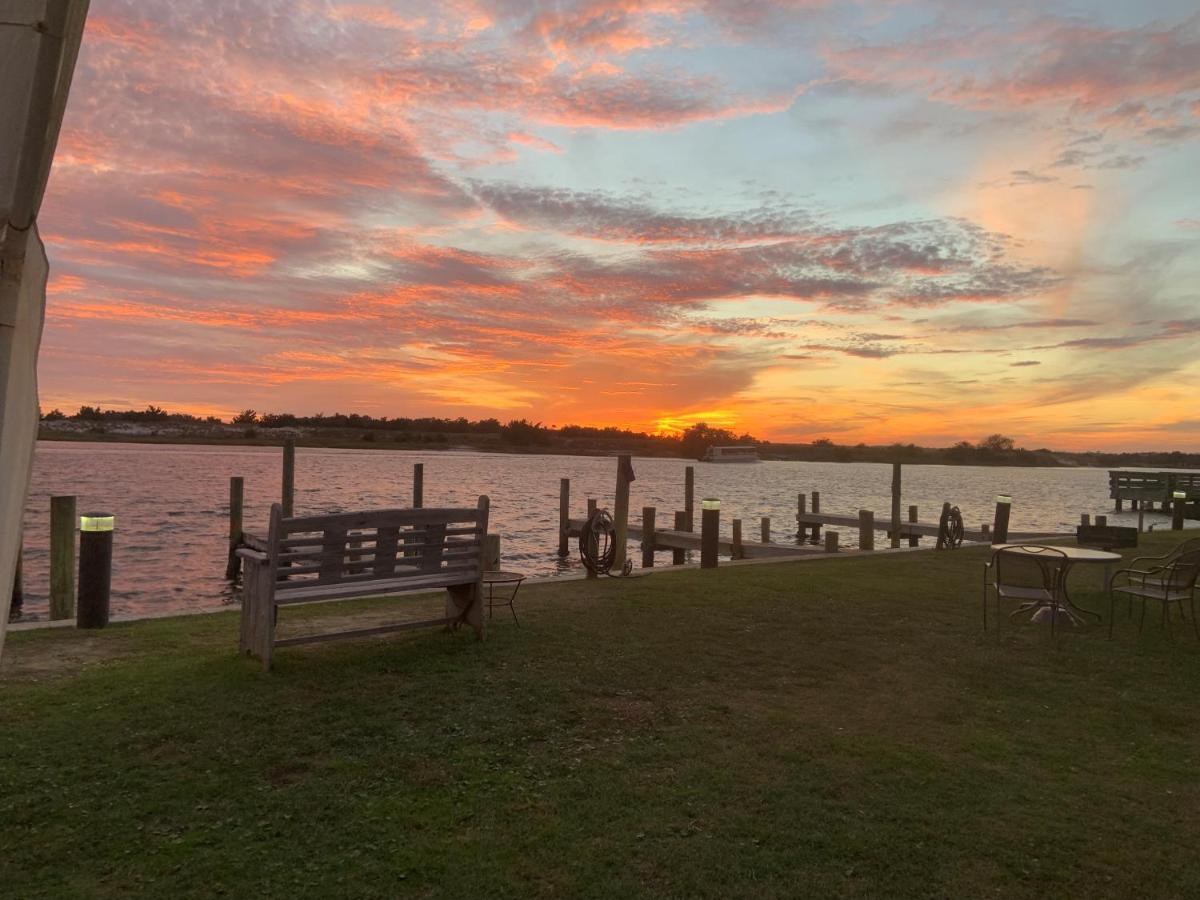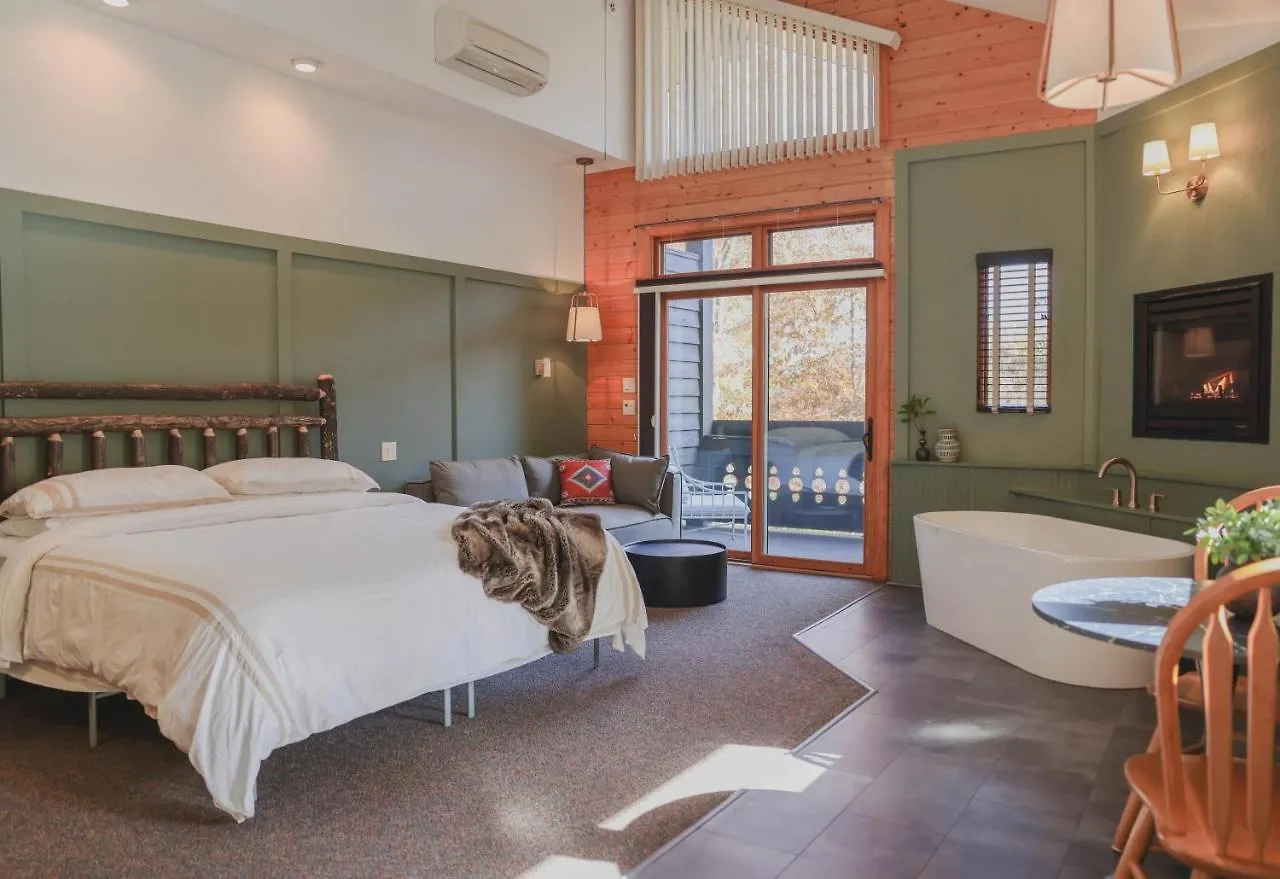
Across the Appalachian Mountains, from the forested ridges of the Great Smoky Mountains in North Carolina to the rolling highlands of Vermont's Green Mountains, the quality of hotel staff can make or break a stay. Travelers searching for hotels here consistently prioritize service ratings - and for good reason: remote mountain locations mean you rely heavily on staff for local guidance, activity planning, and problem-solving. This guide focuses exclusively on properties where guests have consistently praised the team behind the front desk.
What It's Like Staying in the Appalachian Mountains
The Appalachian Mountains stretch over 2,400 kilometers across 14 U.S. states, meaning the experience of staying here varies dramatically depending on where you base yourself. In gateway towns like Whittier (NC), Chattanooga (TN), or Farmington (PA), you are close to major trailheads, heritage railways, and riverside attractions - but car dependency is almost universal, as public transit is minimal or nonexistent in most mountain communities. Self-drive is mandatory for exploring this region effectively, and most hotels reflect that with free on-site parking as standard. Crowds concentrate heavily between late September and early November during fall foliage season, while summer hiking season draws families from June through August. Travelers who thrive here are outdoor enthusiasts, heritage travelers, and those seeking genuine disconnection from urban pace.
Those expecting walkable city convenience or dense dining scenes will find the experience limiting outside of Chattanooga, which functions as the region's most urban anchor point.
Pros:
- Direct access to Appalachian Trail sections, national forests, and scenic byways without leaving the local area
- Hotels in this region are significantly less expensive than comparable mountain destinations in Colorado or the Rockies
- Staff at mountain properties tend to offer genuinely informed local recommendations, since many are long-term residents
Cons:
- Car rental is essentially non-negotiable - arriving without a vehicle severely limits mobility between attractions
- Mobile signal and internet connectivity can be unreliable in more rural mountain communities
- Fall foliage and holiday weekends push occupancy to near-capacity, making last-minute bookings risky
Why Choose Hotels with Top Staff Ratings in the Appalachian Mountains
In a region where attractions are spread across mountain roads and many properties sit far from town centers, attentive and knowledgeable staff become a practical asset rather than a luxury. Staff who know the local trails, weather patterns, and road conditions add real value to a mountain stay - something a city hotel concierge simply cannot replicate. Hotels rated highly for staff in this region typically deliver faster response times, more personalized check-in experiences, and proactive communication about local conditions. Across the Appalachians, these properties generally command a modest premium - around 15% more than standard-rated alternatives in the same area - but the gap in guest satisfaction scores is consistently larger than that price difference suggests. Room sizes at these properties vary widely, from compact boutique-style units to full resort suites, so the staff quality is the consistent differentiating factor rather than space or amenities alone.
Travelers on extended mountain itineraries or first-time visitors to Appalachian destinations benefit most from this category, since orientation support from staff can save hours of confusion navigating unmarked back roads.
Pros:
- On-the-ground local knowledge about trail conditions, seasonal closures, and hidden viewpoints that online reviews don't capture
- Faster and more personal problem resolution when mountain weather or road conditions disrupt plans
- Higher consistency in overall stay satisfaction - guest reviews for this category show fewer negative outliers
Cons:
- Top-rated staff properties fill up earlier during peak fall foliage weeks, requiring bookings well in advance
- Some highly rated staff properties are smaller independent hotels with limited room inventory, reducing flexibility
- Elevated service expectations can occasionally lead to disappointment if only one or two staff members are responsible for the entire property
Practical Booking & Area Strategy for the Appalachian Mountains
Positioning matters enormously across this long mountain chain. Chattanooga, Tennessee is the most strategically accessible base, sitting within driving distance of Lookout Mountain, the Tennessee Aquarium, and Chickamauga Battlefield, while also offering the region's strongest dining and nightlife scene for post-hike evenings. Whittier, North Carolina places you within around 20 kilometers of both the Great Smoky Mountains Railroad and the Museum of the Cherokee Indian - making it a strong choice for heritage and outdoor travelers. Farmington, Pennsylvania gives access to Fallingwater (Frank Lloyd Wright's masterpiece) and West Virginia University's athletic facilities, ideal for travelers combining cultural and sports itineraries. For Vermont's Green Mountains around Stowe, skiing access and spa retreats dominate the appeal, and prices spike sharply from mid-December through March. Book properties with high staff ratings at least 6 weeks before peak foliage or ski weekends - availability shrinks fast. For off-peak visits in early spring or late January, last-minute rates can offer genuine savings without sacrificing service quality.
Best Value Stays
These properties offer strong staff ratings combined with accessible pricing and mountain-focused positioning across key Appalachian gateway towns.
-
1. Outland Chalet & Suites Great Smoky Mountains
Show on map


 Check-infrom 16:00 until 23:59Check-outuntil 10:00
Just a few rooms left at the best rate!
fromUS$ 390
-
2. Moxy Chattanooga Downtown
Show on map


 Check-infrom 15:00 until 23:59Check-outuntil 12:00
Just a few rooms left at the best rate!
fromUS$ 130
-
3. Historic Summit Inn
Show on map


 Check-infrom 16:00 until 23:59Check-outuntil 11:00
Hurry – almost gone at this price!
fromUS$ 226
Best Premium Stay
For travelers prioritizing a full-service resort experience with exceptional staff ratings and multi-season activity programming, this property sets the benchmark in the northern Appalachian range.
-
4. Topnotch Resort
Show on map


 Check-infrom 16:00 until 23:59Check-outuntil 11:00
Rooms filling fast – secure the best rate!
fromUS$ 249
Smart Travel & Timing Advice for the Appalachian Mountains
The Appalachian Mountains have two distinct peak windows that affect both pricing and availability. Fall foliage season - running from late September through late October - is the most competitive booking period across all states in the range, with occupancy at top-rated properties reaching near-full capacity weeks in advance. Summer (June through August) draws hiking and family travelers steadily but without the sharp pricing spikes of foliage season. Winter is strategically divided: Vermont properties like Topnotch enter their own high season from December through March due to ski demand, while properties in North Carolina, Tennessee, and Pennsylvania see pricing drop by around 20% in January and February. For the best combination of staff availability and reasonable rates, early May and mid-November represent the clearest value windows across the region - crowds thin, trails are accessible, and hotel teams are less stretched. Plan for a minimum of 3 nights at any single Appalachian base to justify the drive time and make genuine use of the surrounding trail and attraction network. Book at least 8 weeks ahead for fall foliage or ski-season stays at any of the properties featured in this guide.